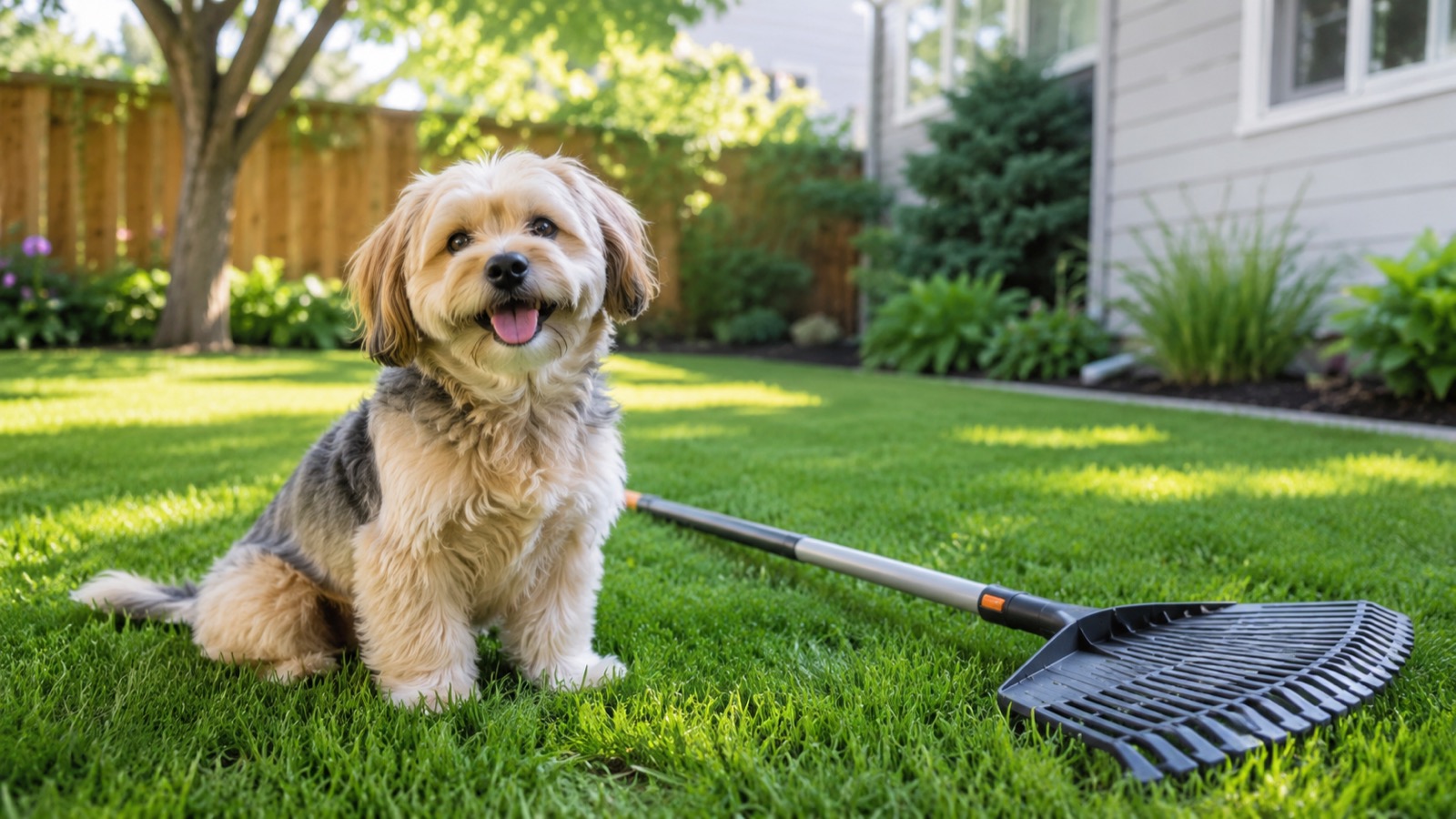
Why a Pooper Scooper Protects Your Family’s Health in 2026
Reaching for a pooper scooper the moment your dog finishes is one of the simplest public-health habits you can build. Dog waste is not just unsightly; it carries parasites and bacteria that threaten children, other pets, and even your water supply. In 2026, as more families share yards and parks, prompt cleanup matters more than ever.
This article explains exactly what lurks in uncollected waste, who is most at risk, and how the right tool turns a dreaded chore into a fast, hygienic routine. The science is clear, and the fix is easy.
What Health Risks Does Dog Waste Really Pose?
A single gram of dog waste can contain millions of bacteria, including E. coli and Salmonella. It also harbors parasite eggs that survive in soil for months or even years. Children who play in the yard are especially vulnerable because they touch the ground and then their mouths.
The CDC Healthy Pets program documents several zoonotic diseases spread through pet feces, including roundworm and hookworm infections. These are preventable with consistent cleanup.
Common Parasites and Pathogens
- Roundworms (Toxocara): eggs can cause eye and organ damage in children.
- Hookworms: larvae penetrate bare skin and cause painful rashes.
- Giardia and coccidia: protozoa that trigger persistent diarrhea.
- E. coli and Salmonella: bacteria that cause serious gastrointestinal illness.
Who Is Most at Risk?
Toddlers, immunocompromised adults, and other dogs face the highest exposure. Because parasite eggs need days to become infectious, same-day removal breaks the transmission cycle before it starts. That is why timing matters as much as the cleanup itself.
How Prompt Cleanup With a Pooper Scooper Helps
Using a Pooper scooper lets you remove waste without touching it or bending over repeatedly. Speed is the key benefit: the sooner waste leaves the yard, the fewer eggs mature into an infectious stage. A good tool removes the friction that leads people to procrastinate.
For yards with big dogs or heavy volume, a Heavy Duty Pooper Scooper handles the job in a single pass. Less effort means you actually keep up with the routine.
Protecting Your Lawn and Water
Uncollected waste does not fertilize your lawn; it burns it and washes into storm drains. From there, nutrients and pathogens reach local waterways. Prompt scooping protects both your grass and the wider environment.
Cleanup Frequency: A Quick Reference
How often you scoop depends on how many dogs you have and where they go. The table below offers a practical 2026 schedule you can adapt to your household.
| Household | Recommended Frequency | Best Tool |
|---|---|---|
| One small dog | Every 1–2 days | Standard jaw scooper |
| One large dog | Daily | Heavy-duty scooper |
| Multiple dogs | Twice daily | Rake + tray combo |
| Shared/public yard | After every use | Portable scooper with bag |
Consistency beats intensity. A short daily pass keeps your yard safe far better than an occasional deep clean.
How Do You Build a Safe Cleanup Routine?
A repeatable system removes guesswork and protects everyone who uses your space. Follow these steps to make cleanup automatic rather than an afterthought.
- Keep the scooper and bags by the door where you will see them.
- Scoop immediately after your dog goes, or at least once daily.
- Seal waste in a sturdy bag before it enters the bin.
- Rinse the tool and wash your hands thoroughly afterward.
- Do a full yard sweep every weekend to catch anything missed.
One field-tested tip: place a small covered bin near the yard exit so bagged waste never travels through your home. Households that value tidy systems, like those who hire reputable service experts for organization, adapt to this habit fastest.
Hand Hygiene Still Matters
Even with a scooper, wash your hands after handling waste or the bin. Soap and water for twenty seconds removes most pathogens. Keep sanitizer nearby for walks when a sink is not available.
Protecting Shared and Public Spaces
Cleanup responsibility does not end at your property line. Parks, sidewalks, and shared yards concentrate waste from many dogs, multiplying the health risk. Leaving waste in these spaces exposes children, joggers, and other pets to parasites.
Community health depends on every owner doing their part. A single uncollected pile can contaminate a play area for months. Carrying a scooper and bags on every outing keeps public spaces safe for everyone.
Why Public Cleanup Matters More
Public areas see heavy foot traffic, so exposure risk is far higher than in a private yard. Sandboxes and playgrounds are especially dangerous, because parasite eggs survive in sand. Prompt removal protects the most vulnerable members of your community.
Many municipalities now enforce cleanup ordinances with fines in 2026. Beyond the legal angle, responsible cleanup simply reflects good neighborly conduct. It keeps shared spaces welcoming for families and dogs alike.
Building a Culture of Responsibility
Lead by example on every walk. When neighbors see consistent cleanup, community standards rise together. Some neighborhoods install bag stations to make compliance effortless.
Talk to your local homeowners association about adding waste stations near common areas. Small infrastructure changes drive big behavior shifts. A cleaner community protects everyone’s health and property value.
Frequently Asked Questions
How quickly should I remove dog waste from my yard?
Ideally the same day. Parasite eggs need several days to become infectious, so daily removal with a pooper scooper breaks the cycle before anyone is exposed. For large or multiple dogs, aim for twice-daily cleanup.
Can dog waste really make my kids sick?
Yes. Roundworm and hookworm larvae from dog feces can infect children who play in contaminated soil. Prompt cleanup and good hand hygiene dramatically lower the risk of these preventable illnesses.
Is it safe to compost dog waste?
Not in a regular garden compost. Home compost rarely reaches the high temperatures needed to kill parasite eggs. Bag the waste and dispose of it in the trash, or use a dedicated pet-waste digester.
Does a pooper scooper reduce my exposure to germs?
Absolutely. A scooper lets you remove waste without direct contact and without bending near the ground. Pairing it with sealed bags and handwashing gives you a clean, low-risk routine.
Conclusion: A Small Habit With Big Payoffs
Consistent cleanup with a pooper scooper protects your children, your pets, and your local waterways from real, documented health risks. The habit costs only minutes a day, yet it prevents parasites and bacteria from ever taking hold. Make same-day scooping part of your 2026 routine and enjoy a safer, cleaner home for everyone in it.