Warehousing in Saudi Arabia 2026: Cold Storage Business Guide
Warehousing in Saudi Arabia has become a strategic advantage for businesses that import, distribute, or manufacture goods across the Kingdom. In 2026, as Vision 2030 accelerates logistics investment and the food and pharmaceutical sectors expand, companies need reliable storage that scales with demand. This guide explains how modern warehousing and cold-chain facilities work, when to use frozen versus chilled space, and how to choose a partner that keeps your inventory safe and moving.
From frozen seafood to temperature-sensitive medicine, the right warehousing setup protects your margins and your reputation. Let’s break down what smart storage looks like for Saudi businesses today.
Why Warehousing in Saudi Arabia Matters for Business
Saudi Arabia sits at a logistics crossroads between three continents, and its ports in Jeddah, Dammam, and Jubail handle enormous import volumes. Efficient warehousing turns that geography into a competitive edge by keeping stock close to demand and ready to ship.
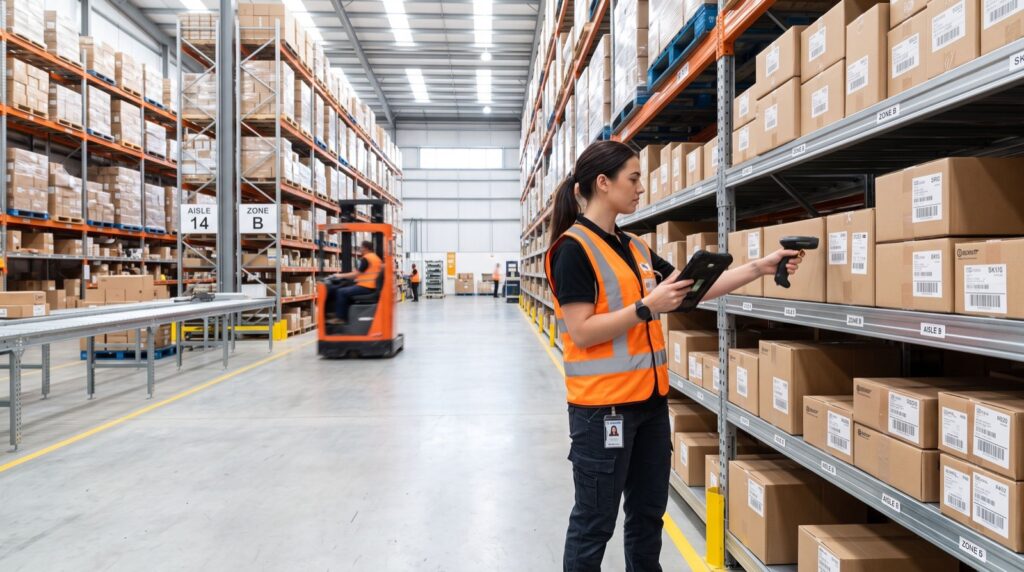
Modern warehousing does more than hold boxes. It manages temperature zones, tracks inventory in real time, and integrates with distribution so goods flow from port to shelf without spoilage or delay.
- Reduce lead times by holding stock near major cities.
- Protect perishables with dedicated cold-chain rooms.
- Scale flexibly during seasonal or promotional peaks.
- Cut waste through accurate stock rotation and monitoring.
Cold-Chain Warehousing: Frozen and Chilled Zones
Food, pharmaceuticals, and cosmetics all depend on an unbroken cold chain. A single temperature lapse can ruin an entire shipment, so serious businesses split their inventory across dedicated zones.
Frozen rooms hold products at −18°C or colder for long-term safety, making them essential for meat, seafood, and frozen ready meals. Facilities offering Frozen Storage in Saudi Arabia give importers and distributors a stable deep-cold environment that meets international food-safety benchmarks.
| Zone | Temperature | Ideal Products | Typical Users |
|---|---|---|---|
| Ambient warehouse | Moderated, dry | Packaged goods, textiles, electronics | Retailers, e-commerce |
| Chilled room | 0°C to 8°C | Produce, dairy, medicine, cosmetics | Grocers, pharmacies |
| Frozen room | −18°C or colder | Meat, seafood, ice cream | Food importers, caterers |
| Bonded warehouse | Varies | Goods awaiting customs clearance | Importers, freight forwarders |
Chilled Storage for Fresh and Sensitive Goods
Chilled space handles anything that must stay fresh but not frozen. For grocers and pharmacies, refrigerated rooms such as Chilled Storage in Jeddah hold produce, dairy, and medicine within a tight range that preserves quality and complies with health regulations.
The Saudi Food and Drug Authority sets strict requirements for storing food and medicine, and you can review its regulatory framework on the SFDA official website. Any warehousing partner you choose must meet these standards and provide documented temperature logs.
How to Choose a Warehousing Partner in 2026
Selecting a warehouse is a long-term commitment, so evaluate providers carefully. Use this checklist before signing any contract.
- Verify compliance. Confirm SFDA registration for food and pharma storage.
- Check temperature monitoring. Continuous logging and alerts are non-negotiable.
- Assess backup power. Generators protect the cold chain during outages.
- Review location. Proximity to ports and cities cuts transport costs.
- Confirm scalability. Ensure you can add space during peak seasons.
One practical insight from working with importers: negotiate mixed-zone contracts. Paying frozen rates for goods that only need chilling wastes money, so split your inventory precisely and pay the correct rate for each zone.
Inventory Management and Compliance
Great warehousing is as much about data as it is about refrigeration. Real-time inventory systems track stock levels, expiry dates, and batch numbers, which supports recalls and first-in, first-out rotation.
- Barcode or RFID tracking for accurate, fast picking.
- Expiry and batch logging to prevent selling out-of-date stock.
- Temperature audit trails for regulatory inspections.
- Integrated dispatch that links storage to delivery.
Because compliance and logistics are complex, many companies partner with reputable service experts who handle storage, monitoring, and distribution as a single, accountable service.
Location and Distribution Strategy for Warehousing
Where you place your warehouse shapes your entire logistics cost. A facility close to a major port cuts inbound transport and clearance time, while one near a large city speeds last-mile delivery to customers. The smartest Saudi businesses balance both.
Consider a hub-and-spoke model. Hold bulk imported stock in a large facility near Jeddah or Dammam ports, then feed smaller distribution units closer to Riyadh and other demand centres. This structure keeps replenishment fast without paying premium city rates for bulk storage.
- Port-adjacent warehousing reduces demurrage and customs delays.
- City-edge distribution shortens delivery windows for e-commerce.
- Bonded zones defer duties until goods actually enter the market.
- Multi-site networks add resilience against regional disruption.
Seasonal Demand and Flexible Capacity
Demand rarely stays flat. Ramadan, national holidays, and promotional peaks all spike inventory needs, then subside. Rigid, fixed-size contracts leave you either short of space or paying for empty shelves.
Negotiate flexible capacity that scales with your calendar. Many modern facilities offer overflow space and short-term expansions precisely for these surges. Plan your peaks a quarter ahead, book the extra room early, and release it when the rush passes. That agility protects your margins while keeping shelves stocked when customers want them most.
Frequently Asked Questions
What is cold-chain warehousing in Saudi Arabia?
Cold-chain warehousing keeps temperature-sensitive goods within strict ranges from arrival to dispatch. It combines chilled rooms at 0–8°C and frozen rooms at −18°C or colder, backed by monitoring and generators to prevent any break in the chain.
Do I need chilled or frozen storage for my business?
Choose chilled storage for fresh produce, dairy, medicine, and cosmetics that must stay cool but not frozen. Choose frozen storage for meat, seafood, and long-term perishables that require −18°C to remain safe for weeks or months.
What regulations apply to food and medicine storage?
The Saudi Food and Drug Authority regulates food and pharmaceutical storage in the Kingdom. Warehouses must maintain documented temperature control, hygiene standards, and traceability, so always confirm SFDA compliance before signing a contract.
How do I control warehousing costs?
Split inventory across the correct temperature zones so you never pay frozen rates for chilled goods. Negotiate flexible, scalable contracts, choose a location near ports and demand, and use inventory software to cut waste and spoilage.
Conclusion
Smart warehousing in Saudi Arabia in 2026 combines the right temperature zones, strict compliance, real-time inventory, and reliable backup power. Split your stock between chilled and frozen rooms, verify SFDA standards, and choose a partner near your markets. Do that and your supply chain stays fast, safe, and profitable. Ready to strengthen your cold chain? Compare warehousing and frozen storage options today and build logistics that scale with your business.