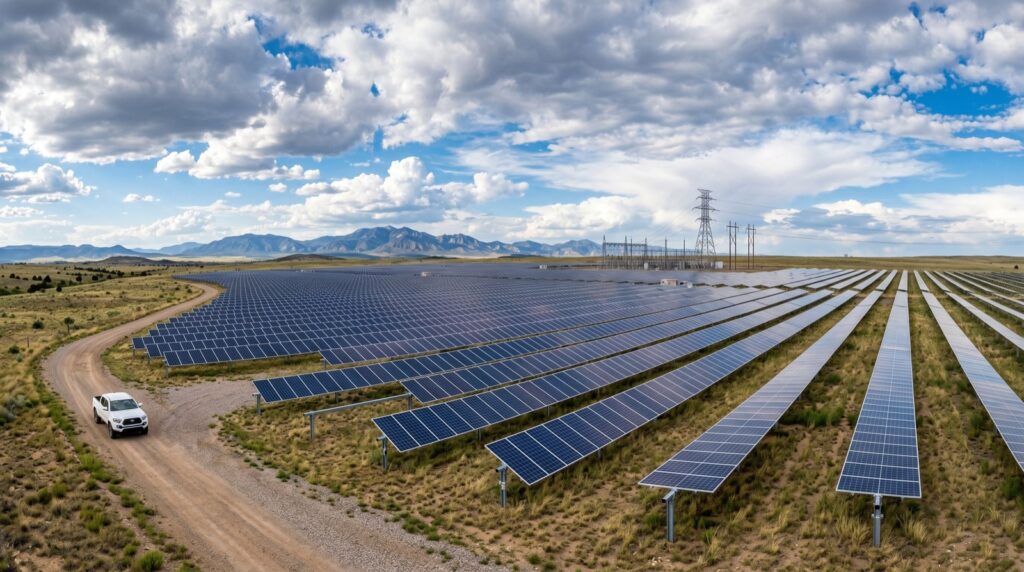
Anyone planning to buy solar panels in Pakistan in 2026 is shopping in a very different market than the one that existed even two years ago. Import volumes have surged, per-watt prices have dropped to historic lows, and the variety on offer, from budget mono PERC modules to premium N-type TOPCon panels, can overwhelm a first-time buyer. Add in currency swings and a flood of grey-market stock, and it becomes clear why so many households overpay or end up with underperforming hardware.
This guide walks you through current price bands, the specifications that actually matter, and the practical checks that separate genuine Tier-1 modules from repackaged seconds. By the end, you will know exactly how to size a system, compare quotes, and choose a seller with confidence.
Why 2026 Is the Right Year to Buy Solar Panels in Pakistan
Grid electricity tariffs have climbed steadily, and a typical urban household now pays far more per unit than it did in 2022. At the same time, wholesale module prices have fallen because global manufacturing capacity keeps expanding. According to the International Energy Agency’s solar PV analysis, photovoltaics remain the cheapest source of new electricity in most of the world, and Pakistan’s import market reflects that trend directly.
The result is a rare window: high grid tariffs on one side, cheap hardware on the other. Payback periods that once stretched past six years now commonly land between two and four years for a well-designed residential system. Waiting rarely improves the math, because every month on the grid is money spent on units you could have generated yourself.
What Do Solar Panels Cost in Pakistan Right Now?
Prices shift weekly with the dollar rate, but the per-watt bands below reflect what reputable importers were quoting in mid-2026. Always confirm the landed price on the day you order, and remember that the panel is only one part of the total system cost.
| Panel Type | Typical Wattage | Approx. Price (PKR per watt) | Best Suited For |
|---|---|---|---|
| Mono PERC (Tier-1) | 545 to 585 W | 28 to 34 | Budget rooftop systems |
| N-type TOPCon | 575 to 620 W | 33 to 40 | Limited roof space, hot climates |
| Bifacial dual-glass | 560 to 650 W | 36 to 44 | Elevated structures, carports |
| Used or B-grade stock | Varies | 18 to 25 | Not recommended for homes |
Why N-type panels earn their premium
N-type cells degrade more slowly and lose less output in extreme heat, which matters in a country where rooftop temperatures cross 60 degrees Celsius in June. Over a 25-year life, that efficiency gap compounds into thousands of extra units generated.
How to Spot Genuine Modules and Avoid Grey-Market Stock
The single biggest risk when you buy solar panels in Pakistan is receiving refurbished, B-grade, or counterfeit stock sold as new. Protect yourself with these checks before any cash changes hands:
- Scan the serial number barcode on the back sheet and verify it on the manufacturer’s official website.
- Ask for the flash test report, which records each module’s actual measured output at the factory.
- Inspect the frame and glass for scuffs, resealed junction boxes, or mismatched labels.
- Demand a proper sales invoice naming the importer, since verbal warranties are worthless.
- Confirm the warranty is registered in Pakistan and serviceable locally, not only at an overseas office.
Sizing Your System Before You Spend a Rupee
Buying hardware before calculating your load is the most common and most expensive mistake we see. The process resembles any major purchase decision: careful buyers research property with dependable specialists before committing, and a solar system deserves the same discipline. Follow this sequence:
- Collect your last twelve electricity bills and note the highest monthly unit consumption.
- Divide that peak monthly figure by 120 to estimate the kilowatts of panel capacity you need.
- Measure usable, shade-free roof area, allowing roughly 55 square feet per kilowatt.
- Decide between on-grid, hybrid, or off-grid based on how badly load shedding affects your area.
- Add 15 to 20 percent extra capacity if you plan to add an inverter air conditioner or an electric vehicle later.
A correctly sized system keeps your net metering export meaningful without wasting capital on capacity your DISCO will credit at a low buyback rate.
Where Should You Buy: Importer, Dealer, or Installer?
Each channel has trade-offs. Direct importers offer the lowest per-watt price but no design support. Local dealers add a margin yet provide easier warranty claims. Full-service installers bundle panels, inverter, structure, and paperwork into one accountable package, which is usually the wisest route for homeowners who value their time.
Regional buyers should look for firms with a real presence in their city rather than a distant office that subcontracts everything. Balochistan residents, for example, get faster after-sales service from an established solar company in Quetta than from a Lahore-based seller shipping parts across the country. If you prefer to compare hardware options first, you can buy solar panels in Pakistan through a supplier that publishes verifiable brands and specifications instead of vague “A-grade” claims.
Negotiating the final quote
Ask every seller to break the quote into panels, inverter, structure, cabling, and labor. Line-item quotes expose padding instantly, and sellers who refuse to itemize are telling you something important about how they do business.
Frequently Asked Questions
How much does a complete 5 kW system cost in 2026?
A quality on-grid 5 kW setup with Tier-1 panels and a branded inverter typically lands between PKR 550,000 and 750,000 installed. Hybrid systems with lithium batteries cost considerably more, often crossing PKR 1.2 million.
Do cheaper panels really perform worse?
Not always, but the risk profile changes. Budget Tier-1 mono PERC panels perform reliably; unbranded or B-grade stock frequently develops hotspots, delamination, and rapid degradation within three to five years.
Will panel prices drop further if I wait?
Hardware may get marginally cheaper, but rising grid tariffs and possible import duty changes usually outweigh any saving from waiting. The units you buy from the grid while delaying are a guaranteed loss.
How long do modern panels actually last?
Reputable manufacturers now warranty 87 to 89 percent of rated output after 30 years. With basic cleaning and a sound mounting structure, expect three decades of useful generation.
Final Thoughts
The 2026 market rewards informed buyers. Verify serial numbers, insist on itemized quotes, size the system from real consumption data, and favor sellers who will still answer the phone in year five. Do those four things and the decision to buy solar panels in Pakistan becomes one of the highest-return investments available to any household today. Request quotes from at least three verified suppliers this week and lock in your savings before the next tariff revision.