Solar for Shops and Small Businesses in Pakistan: A 2026 Owner’s Playbook
Solar for a shop or small business in Pakistan is no longer a luxury; it is a survival strategy against runaway electricity bills. Retailers, workshops, and small factories burn power during the exact hours the sun is strongest, which makes them ideal candidates for rooftop solar. In 2026, a well-planned commercial system can slash operating costs and protect a business from tariff shocks.
This playbook is written for owners, not engineers. It covers how to size a commercial system, what it costs, how to keep it running, and the mistakes that quietly drain profit from a poorly planned install.
Why Businesses Get a Better Solar Return Than Homes
The magic of commercial solar lies in timing. A shop runs its lights, fans, freezers, and machines from morning until evening, which lines up almost perfectly with solar generation. That means most of the power is consumed on site instead of being exported at a lower rate.
High self-consumption is what drives the fast payback. Because commercial tariffs are steep and daytime usage is heavy, a professional solar installation often pays for itself faster for a business than for a comparable home. The bill you avoid is your best return.
The Load-Shedding Bonus
Outages hurt businesses more than households because a stalled workshop or a warm freezer means lost income. A hybrid commercial system keeps critical loads alive during blackouts, turning a reliability headache into a competitive edge.
Sizing a Commercial Solar System
Business sizing starts with your bill history, not a rooftop guess. Pull twelve months of units consumed, find your average daytime demand, and design around that baseline. Seasonal spikes, such as summer cooling, deserve special attention.
Here is the practical order most owners should follow:
- Audit twelve months of electricity bills to map real consumption.
- Identify daytime versus night-time load split.
- Measure usable, unshaded roof area for panels.
- Size the array to cover daytime demand first.
- Add battery capacity only for the loads you cannot afford to lose.
- Confirm the design against your sanctioned load limit.
Partnering with an experienced local team at this stage prevents the classic error of buying too many panels for a roof that cannot use them. Right-sizing protects both your roof and your cash flow.
What Does Commercial Solar Cost in 2026?
Costs scale with capacity, battery choice, and mounting complexity. The table below gives rough 2026 planning bands for typical small-business setups.
| Business Type | Suggested Size | Battery Backup | Typical Payback |
|---|---|---|---|
| Retail shop | 5–10 kW | Optional | 2.5–3.5 years |
| Workshop / garage | 10–15 kW | Recommended | 2.5–3 years |
| Small factory | 15–30 kW | Critical loads only | 2–3 years |
Notice how paybacks tighten as usage rises. The heavier your daytime load, the faster solar recovers its cost, which is why energy-intensive workshops often see the quickest returns of all.
How Do You Keep a Commercial System Performing?
Installation is only half the job; the other half is keeping output high for two decades. Business rooftops collect dust, bird droppings, and industrial grime that steadily cut generation if ignored.
Build a light maintenance routine into operations:
- Quarterly panel cleaning to remove dust film, more often in dry seasons.
- Monthly monitoring checks using the inverter app to catch under-performing strings.
- Annual electrical inspection of connections, fuses, and earthing.
- Vegetation and shade control so new obstructions do not creep across the array.
The World Bank’s energy research consistently links proper operation and maintenance to sustained solar yields, and the World Bank energy programme highlights this across developing-market projects. A neglected array can lose a noticeable share of output within a few years.
Choosing the Right Panels for Heavy Use
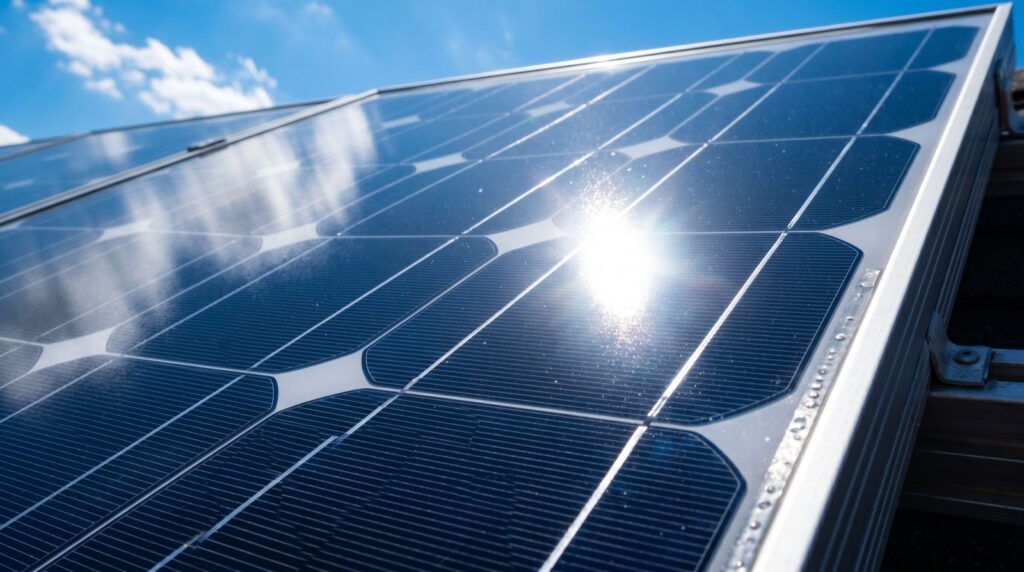
Commercial systems run hard, so panel quality is not the place to economise. Monocrystalline modules with strong temperature coefficients hold output better through Pakistan’s brutal summer heat. Verify that the modules you buy solar panels in Pakistan carry genuine warranties and traceable serial numbers.
One field-tested tip: for flat commercial roofs, tilt the panels rather than laying them flat. A modest tilt sheds rain that self-cleans dust and lifts annual generation with zero ongoing cost.
Common Mistakes That Cost Business Owners
The most expensive error is treating solar as a commodity and buying purely on price. A cheap inverter that trips under motor loads, or thin cabling that overheats, erodes savings and creates safety risks. Another frequent slip is ignoring shading from a neighbouring building that only appears in winter.
Owners also underestimate documentation. Commercial net metering paperwork is stricter than residential, so accurate load data and a compliant design matter even more here.
Financing and Cash Flow for Owners
Many business owners hesitate at the upfront cost, yet the cash-flow picture is friendlier than it first looks. When you compare the monthly savings against the outlay, solar often behaves like a fixed-income asset that keeps paying long after it is paid off. The trick is to view it as an operating cost you are permanently removing, not a discretionary purchase.
Some owners stage the investment. They install a grid-tied array first to capture immediate daytime savings, then add storage in a second phase once the first-phase savings have accumulated. This staged approach keeps working capital intact while still starting the meter savings early.
Reading the Payback Honestly
Beware quotes that promise implausibly short paybacks based on best-case sunshine and zero maintenance. A realistic projection factors in seasonal cloud, gradual panel degradation, and occasional cleaning costs. An honest installer will show you the conservative case as well as the optimistic one, and that transparency is a strong sign you are dealing with a serious firm.
Roof Readiness and Safety Checks
Before any panels go up, the roof itself must be assessed. A commercial roof carrying solar for two decades needs to handle the added load, and the mounting must not compromise waterproofing. Skipping this step invites leaks and structural worry down the line.
Run through these readiness checks with your installer:
- Structural capacity to bear panel and mounting weight safely.
- Waterproofing integrity at every roof penetration point.
- Fire-safe cabling and isolators so emergency crews can shut the array down.
- Clear access paths for future cleaning and maintenance.
Getting these fundamentals verified early prevents costly rework and keeps your insurance valid. Safety compliance is not red tape here; it protects both the investment and the people around it.
Frequently Asked Questions
Will solar cover my entire business bill?
Often it covers the bulk of daytime consumption, and net metering credits offset much of the rest. Full coverage depends on your night usage and roof space, so a tailored design is essential.
Do I need batteries for my shop?
Not always. If your priority is bill reduction, a grid-tied system may suffice. Batteries make sense when outages directly cost you sales or spoil stock.
How long does a commercial install take?
Physical installation of a small system usually takes a few days, while net metering approval adds a few weeks. Clean paperwork keeps the timeline predictable.
Can I expand the system later?
Yes, if you plan for it. Choosing an inverter with spare capacity and leaving roof space free lets you scale as the business grows without ripping out the original setup.
Conclusion
Solar for a shop or small business in Pakistan is one of the surest cost cuts available in 2026, especially for owners with heavy daytime loads. Audit your bills, size the system honestly, insist on quality components, and maintain the array to protect its yield. Get those fundamentals right and solar becomes a durable line-item saving that compounds year after year.