
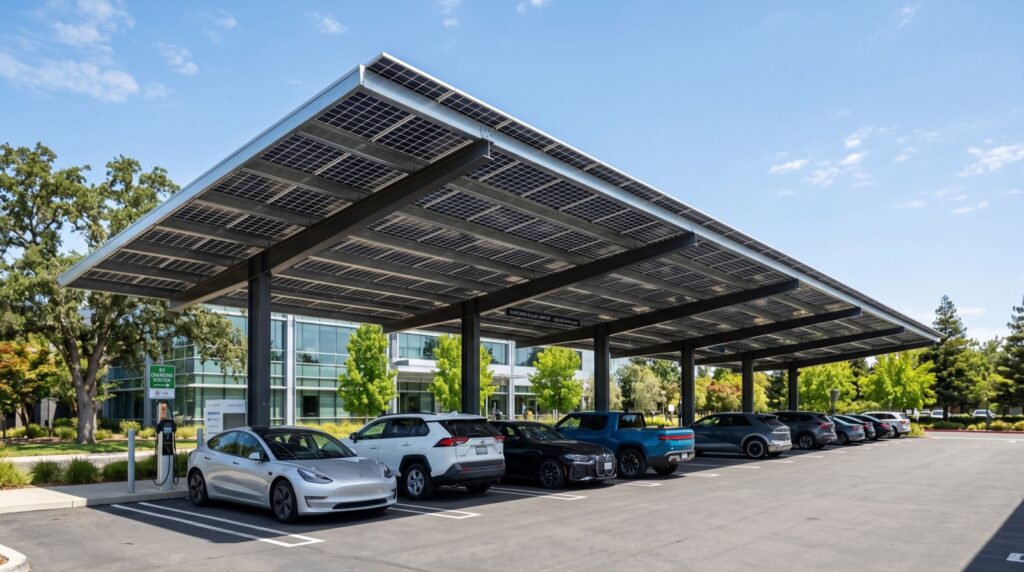
Understanding the real solar panels price in Pakistan is the first step to a smart purchase, and in 2026 the numbers finally favour buyers. A global glut of photovoltaic modules has driven per-watt costs down to historic lows, while rising grid tariffs make every rupee spent on solar recover faster. Yet quoted prices vary wildly, and the cheapest figure on a flyer rarely reflects the true cost of a working system.
This guide breaks down what actually drives solar pricing this year, from panel wattage and inverter class to installation and net-metering fees. By the end you will know how to read a quote line by line and spot where a bargain hides a compromise.
What Determines the Solar Panels Price in Pakistan?
Panel pricing is quoted per watt, but the headline rate is only part of the story. Module efficiency, brand tier, and technology (PERC versus N-type TOPCon) all shift the number, and higher-efficiency panels justify a premium by producing more from the same roof.
Import duties, the rupee-dollar rate, and shipping also move prices month to month. Because these factors fluctuate, always ask for a dated quote and confirm how long it is valid before you commit.
The cost stack of a complete system
- Panels — usually 40–50% of total system cost.
- Inverter — 15–25%, more for a hybrid unit with storage support.
- Mounting, cables, protection — the “balance of system” that quietly adds up.
- Installation and net-metering paperwork — labour plus regulatory fees.
2026 Price Ranges by System Size
Prices below are indicative market ranges for complete, installed on-grid systems in 2026. Hybrid systems with batteries cost more because storage is the single most expensive add-on.
| System Size | Typical Use | Indicative Installed Range (PKR) | Type |
|---|---|---|---|
| 3 kW | Small home / shop | 4.5–6.5 lakh | On-grid |
| 5 kW | Average family home | 7–10 lakh | On-grid |
| 7 kW | Large home, multiple ACs | 10–14 lakh | On-grid |
| 10 kW | Villa / small business | 15–21 lakh | On-grid |
Treat these as starting points, not fixed quotes. Component brand, battery inclusion, and roof complexity can swing the final figure meaningfully.
How Inverter Choice Changes Your Bill
The inverter is where budgets quietly balloon or shrink. A basic string inverter is cheap, but a hybrid model that supports batteries and backup costs more, and the solar inverter price in Pakistan reflects features like MPPT count, surge rating, and warranty length.
Do not judge an inverter on price alone. A slightly pricier unit with two MPPT trackers and a longer warranty often outperforms and outlives a cheaper single-tracker model, especially under Pakistan’s voltage swings and summer heat.
Where you can and cannot save
- Safe to economise: choose a strong mid-tier panel instead of the absolute premium brand.
- Never economise: cabling gauge, earthing, and surge protection.
- Spend up: the inverter, because it runs every daylight hour.
- Phase it: add batteries later if the upfront hybrid cost is too high today.
Is Solar Worth the Price in 2026?
For most grid-connected homes and shops, yes. With today’s lower panel prices and higher tariffs, a well-sized system typically pays back in three to five years and then delivers largely free power for two more decades.
The return improves further with net metering, which credits your surplus daytime generation. According to the International Energy Agency, solar is now the cheapest source of new electricity in many markets, and Pakistan’s high grid rates make that advantage especially strong for small businesses.
Original tip: calculate cost per unit, not just total price
Divide the total installed price by the units the system will produce over 25 years. That “cost per unit” figure, often a fraction of the grid rate, is the honest comparison. A slightly pricier but higher-yield system frequently wins on cost per unit even if its sticker price looks higher.
Hidden Costs and Financing to Budget For
The sticker price rarely tells the whole story. Beyond panels and the inverter, budget for the mounting structure, DC and AC cabling, protection devices, and the net-metering application fee your distribution company charges. These “balance of system” items are small individually but add up to a meaningful share of the total.
Financing has also improved. Several banks now offer solar loans, and some suppliers arrange instalment plans that let you spread the upfront cost while the monthly savings on your bill offset the repayment. Ask any vendor whether financing is available before you assume you must pay in full.
Line items buyers often forget
- Net-metering meter and application fees charged by the DISCO.
- Structure upgrades for weak or sloped roofs.
- Long cable runs when the inverter sits far from the array.
- Annual cleaning or maintenance for dusty locations.
Factoring these in up front prevents the unpleasant surprise of a “final” quote that grows after the survey. A transparent supplier lists every item so you can compare like with like.
Frequently Asked Questions
Why do solar quotes vary so much for the same system size?
Differences come from panel brand, inverter class, cable quality, and whether batteries are included. Always compare itemised quotes, not just bottom-line totals.
Has the solar panels price in Pakistan dropped in 2026?
Yes. Global oversupply has pushed per-watt prices to record lows, so complete systems are more affordable this year than in recent memory.
How much does a 5kW solar system cost right now?
A complete installed on-grid 5kW system typically ranges from around 7 to 10 lakh rupees, depending on component brands and roof conditions.
Does adding a battery increase the price a lot?
Yes. Batteries are the most expensive component per kilowatt-hour, so many buyers start on-grid and add storage later to spread the cost.
Get an Honest, Itemised Solar Quote
The real solar panels price in Pakistan in 2026 rewards buyers who compare on value, not just the lowest sticker. Size your system correctly, spend wisely on the inverter, protect the cheap-but-critical components, and always work out your cost per unit. If you run a shop, an experienced local team can tailor the numbers to your load. Request a transparent, itemised quote today and start saving on every bill.